


-

Add: HeBei ShengShi HongBang Cellulose Technology CO.,LTD.
-

Email
13180486930@163.com -

CONTACT US
+86 13180486930
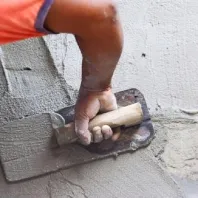

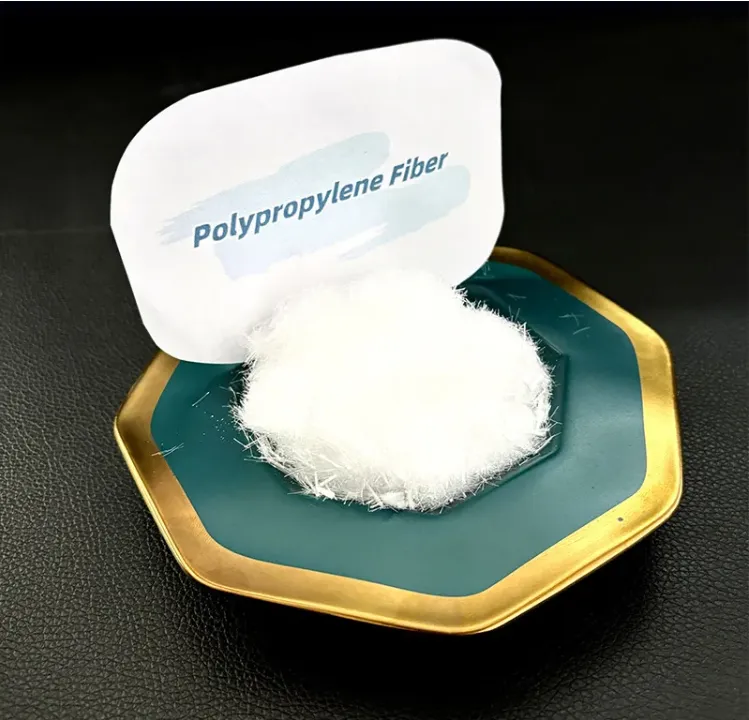


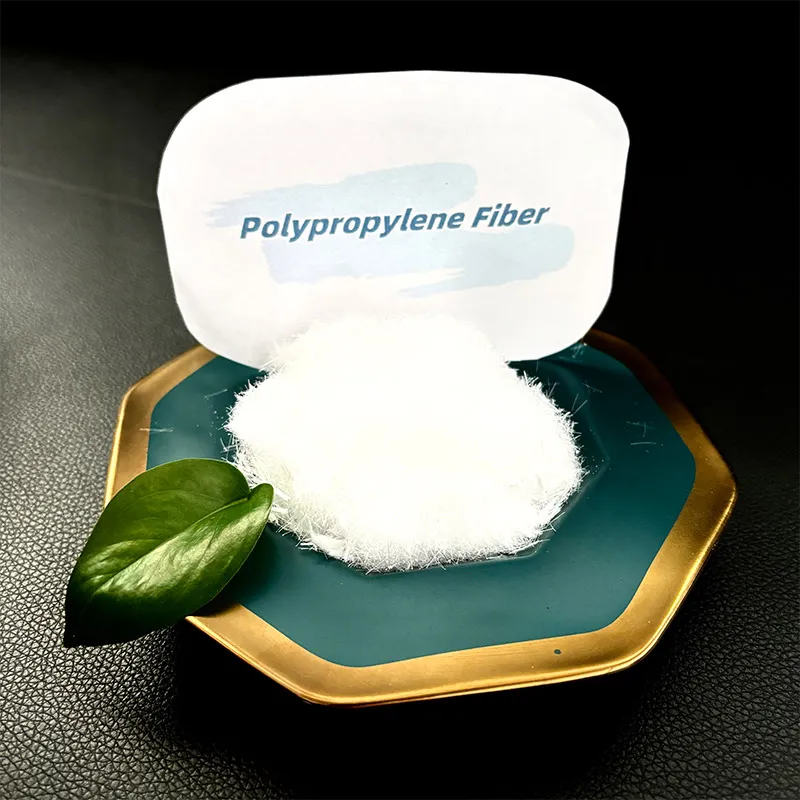
The Role of Manufacturers in the Production of PP Fiber Polypropylene (PP) fiber has gained significant popularity in the textile and industrial sectors due to its unique properties, including lightweight, durability, and resistance to moisture and chemicals. This versatile material is commonly used in various applications, from clothing to carpets and industrial packaging. The manufacturers of PP fiber play a crucial role in ensuring the quality, efficiency, and innovation of this essential material. This article delves into the key aspects of PP fiber manufacturing, its significance, and the future of this industry. Understanding PP Fiber PP fiber is derived from polypropylene, a thermoplastic polymer. The manufacturing process involves polymerization, where propylene monomers are chemically reacted to form long chains of polypropylene. These chains are then spun into fibers through a process known as melt spinning. As a result, manufacturers can produce fibers of different thicknesses and characteristics, catering to diverse applications. Key Manufacturers Several key players dominate the PP fiber manufacturing landscape. Companies such as Reliance Industries, Indorama Ventures, and LyondellBasell are among the largest producers globally. These manufacturers utilize cutting-edge technology and innovative practices to produce high-quality fibers that meet international standards. Their commitment to research and development has led to advancements in fiber properties, including enhanced strength, UV resistance, and dyeability. Quality Control and Innovation Quality control is paramount in the production of PP fiber. Manufacturers conduct rigorous testing and inspections at various stages of production to ensure that the final product meets specified standards. This includes assessing the fiber's tensile strength, elongation, and resistance to chemicals. By investing in advanced testing equipment and technologies, manufacturers can maintain high quality and consistency, ultimately leading to increased customer satisfaction. mga tagagawa ng pp fiber Innovation is another critical aspect of PP fiber production. As the demand for sustainable and eco-friendly materials rises, manufacturers are exploring new ways to produce PP fibers with a reduced environmental impact. This includes using recycled materials and developing biodegradable PP fibers. By focusing on sustainability, manufacturers are not only meeting market demands but also contributing to global efforts in reducing plastic waste. Applications of PP Fiber PP fiber's versatility allows it to be used in various applications across different industries. In the textile industry, it is widely utilized in making clothing, upholstery, and home furnishings due to its lightweight and breathable nature. In the industrial sector, PP fiber is used for manufacturing geotextiles, ropes, carpets, and automotive interior components. Additionally, its chemical resistance makes it suitable for applications in the medical field, such as disposable surgical gowns and coverings. Challenges in the Industry Despite the many advantages of PP fiber, manufacturers face several challenges. One significant issue is the fluctuating prices of raw materials, particularly propylene. This volatility can affect production costs and ultimately impact pricing for consumers. Additionally, the environmental concerns associated with plastic production require manufacturers to adapt and find sustainable solutions. Striking a balance between profitability and environmental responsibility is a challenge that continues to shape the industry. The Future of PP Fiber Manufacturing Looking ahead, the future of PP fiber manufacturing appears promising. As technology continues to advance, manufacturers will likely develop even stronger and more versatile fibers. Innovations in production processes may lead to greater efficiency, reduced costs, and enhanced sustainability. Furthermore, as global consumer preferences shift towards more sustainable products, manufacturers will need to adapt quickly to remain competitive. In conclusion, manufacturers of PP fiber play a vital role in the textile and industrial markets. Their commitment to quality, innovation, and sustainability shapes the future of this material. As they navigate the challenges of raw material volatility and environmental concerns, these manufacturers will undoubtedly pioneer new solutions and practices that benefit both their businesses and the global community. As PP fiber continues to evolve, it will remain an essential material in our everyday lives, highlighting the integral role of its manufacturers.
- 40000tons

Production
- 20+years

Experience
- 5000+㎡

Acreage

-

Insulation materials represent a critical frontier in sustainable construction, balancing thermal efficiency, structural resilience, and environmental impact. Among these, polypropylene fiber has emerged as a transformative component, particularly in concrete and composite applications. Derived from thermoplastic polymers, this synthetic fiber leverages polypropylene’s innate chemical inertness, low density, and hydrophobic nature to enhance building performance. Unlike traditional materials like asbestos or cellulose, polypropylene fiber resists rot, mildew, and alkaline degradation, making it ideal for humid environments or subterranean structures. Its integration into concrete matrices doesn’t merely supplement strength; it fundamentally redefines material behavior under stress, moisture, and thermal fluctuation. Polypropylene Fiber : Revolutionizing Therma Polypropylene fiber transforms concrete from a brittle material into a ductile, damage-tolerant composite. When embedded in mortar or concrete, millions of fine fibrils create a three-dimensional reinforcement network that mitigates plastic shrinkage cracks during curing—a common failure point in slabs and pavements. Beyond crack control, these fibers significantly reduce water permeability by blocking capillary channels within the concrete matrix. This is critical for foundations, basements, and water-retaining structures exposed to hydrostatic pressure. The fiber’s non-polar molecular structure inherently repels water, preventing chloride ion ingress that corrodes steel rebar. In cold climates, this translates to robust frost resistance: by minimizing internal water content, polypropylene fiber curbs destructive freeze-thaw cycles that cause scaling and spalling. Additionally, its flexibility absorbs kinetic energy, enhancing blast resistance in security-sensitive installations like embassies or data centers. Versatile Insulation of Polyolefin Fiber Polyolefin fiber , the polymer family encompassing polypropylene, shares key traits that benefit building materials: high tensile strength, corrosion resistance, and recyclability. Polyolefins are synthesized through catalytic polymerization, creating hydrocarbon chains that resist chemical attacks from acids, alkalis, and solvents. This durability is indispensable in industrial settings where concrete encounters aggressive substances, such as wastewater plants or chemical storage facilities. As a subset of polyolefin fiber , polypropylene fiber inherits these traits while offering superior melt-processability, allowing manufacturers to engineer fibers with customized length. Innovations like surface fibrillation—where fibers split into microfilaments—increase bonding surface area with cement paste, optimizing load transfer. Crucially, polyolefin fiber supports circular economy goals; post-industrial polypropylene waste is readily reprocessed into new fibers, reducing landfill burden versus non-recyclable mineral wool or fiberglass. Macro Fiber : Enhancing Impact Resistance and Longevity Macro fiber designed to replace welded wire mesh or rebar in secondary structural applications. Polypropylene fiber variants in this category—often crimped or deformed for anchorage—bridge macro-cracks in concrete, maintaining structural cohesion even after initial failure. This is vital for earthquake-prone regions where ductility prevents sudden collapse. Macro fiber also combats abrasion in high-traffic floors, warehouses, and bridge decks by dispersing localized wear across the fiber network. Unlike steel, polypropylene macro fiber eliminates rust-jacking (corrosion-induced cracking), especially in salt-rich coastal or de-iced environments. Its low modulus of elasticity ensures compatibility with concrete’s natural movement, reducing delamination risks. For insulation composites, macro fiber reinforces lightweight aerated concrete or gypsum boards, allowing thinner installations without sacrificing impact resistance. Sustainability and Future Innovations in polypropylene fiber Insulation The ecological advantages of polypropylene fiber extend beyond recyclability. Production consumes 50% less energy than glass fiber and generates minimal volatile organic compounds. Emerging research focuses on bio-sourced polyolefins from sugarcane or waste biomass, further shrinking the carbon footprint. Hybrid systems combining polypropylene fiber with phase-change materials are also gaining traction; fibers distribute PCMs uniformly, enabling concrete to absorb/release heat during temperature swings. However, challenges persist, notably microplastic shedding during demolition. Solutions include developing biodegradable coatings or closed-loop recycling protocols. As net-zero construction mandates expand, polyolefin fiber ’s role in carbon-storing concretes will accelerate, positioning it as a linchpin of green building codes. FAQs about Polypropylene Fiber What distinguishes polypropylene fiber from steel reinforcement? Polypropylene fiber provides diffuse, full-volume reinforcement versus steel’s localized support. It prevents micro-cracks during curing, resists corrosion, and reduces labor costs. However, steel remains essential for primary load-bearing elements, while fibers excel in crack control and durability enhancement. Can macro fiber entirely replace traditional rebar? In non-structural applications (e.g., pavements, shotcrete slopes), macro fiber suffices. For structural members like beams or columns, it complements rebar by improving impact resistance and reducing crack widths but cannot bear equivalent tensile loads. How does polyolefin fiber enhance insulation efficiency? Its hydrophobic nature minimizes thermal bridging caused by moisture. When integrated into insulating concretes or boards, it traps air pockets while blocking vapor diffusion, maintaining stable R-values in humid conditions. Is polypropylene fiber suitable for high-temperature environments? Standard polypropylene fiber softens at 160°C, limiting use in fire-rated assemblies. Flame-retardant variants with melting points exceeding 300°C are available for fireproofing sprays or intumescent coatings. What end-of-life options exist for polyolefin fiber composites? Mechanically separated fibers can be recycled into new building products. Research on thermal depolymerization converts waste into liquid hydrocarbons for reprocessing, though commercial scalability remains evolving. Polypropylene fiber transcends its role as a mere additive, becoming a cornerstone of modern, resilient construction. By enhancing water resistance, frost durability, and crack control, it extends infrastructure lifespans while reducing maintenance burdens.For architects and engineers, mastering its applications isn’t just a technical advantage; it’s an investment in enduring, eco-conscious built environments.
-
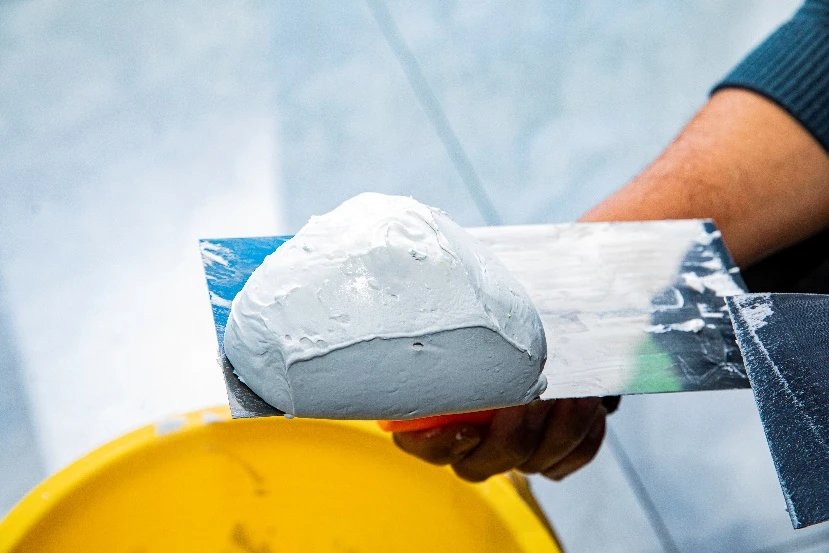
Hydroxypropyl methylcellulose (HPMC) is a versatile polymer widely used in the pharmaceutical, food, and construction industries. One of the significant properties influencing its application is its solubility, particularly in organic solvents. Understanding its solubility characteristics is crucial for optimizing formulations and ensuring product efficacy. The solubility of HPMC in various organic solvents primarily hinges on its molecular structure and the functional groups present. Generally, HPMC is known for its solubility in polar solvents, but its behavior in organic solvents can be more complex. Solvation largely depends on the degree of substitution and the distribution of methoxyl and hydroxypropyl groups along the cellulose backbone. In practice, HPMC demonstrates limited solubility in most pure organic solvents . However, certain solvents, particularly those with polar characteristics, can dissolve HPMC to varying extents. For instance, it shows partial solubility in ethanol and isopropanol. These solvents can disrupt intra-molecular hydrogen bonds in HPMC, facilitating its dispersion. Real-world experimentation reveals that creating solvent mixtures can enhance HPMC solubility. Blending polar organic solvents with water can significantly improve the dissolution process. An ethanol-water mixture, for example, often produces optimal solubility, making this combination a popular choice in formulating pharmaceuticals where HPMC is used as a binder or film-former. hpmc solubility in organic solvents Understanding the mechanics behind this solubility behavior is crucial for professionals aiming to leverage HPMC in innovative ways. The interplay of solvent polarity, temperature, and HPMC's molecular configuration must be considered to optimize formulations. This knowledge not only aids in selecting suitable solvents but also in anticipating potential challenges in industrial applications. From a professional and authoritative standpoint, it is essential to verify these insights through rigorous testing and consulting technical datasheets provided by HPMC manufacturers. These sources ensure the reliability of the information and the safety of the resulting products. Trustworthiness is further established by adhering to industry standards and guidelines, ensuring that any application of HPMC in organic solvent systems is both effective and compliant with regulatory requirements. For product developers, the scope for innovation with HPMC and organic solvents is vast. By methodically exploring the solubility parameters and adjusting formulation strategies, developers can harness the unique properties of HPMC to create robust and efficient products. Whether in pharmaceuticals, where precise release mechanisms are critical, or in construction, where durability and consistency are key, understanding and manipulating HPMC’s solubility in organic solvents is a gateway to enhanced performance and customer satisfaction. In conclusion, optimizing HPMC solubility in organic solvents requires a combination of scientific understanding, practical experimentation, and adherence to authoritative guidance. Leveraging these aspects ensures that HPMC can be effectively used to meet the demanding needs of modern industry applications.
advantages
-

200000 Viscosities
Excellent product
We can produce pure products up to 200,000 viscosities
-

40000 tons
High yield
We don’t stop production all year round, and the annual output can reach 40,000 tons
-

24 hours
Quality service
We provide 24-hours online reception service, welcome to consult at any time
———— Inquiry Form
Schedule A services

-
 hpmc_ophthalmic_solution_usp
Oct . 25, 2025
Understanding Wood Composition Cellulose, Hemicellulose, and Lignin Wood is a remarkable natural mat -
 starch_ether_in_tile_adhesive
Oct . 25, 2025
Elevating your eye care routine with HPMC eye gel can transform both comfort and ocular health. This -
 serat_poliolefin
Oct . 25, 2025
The HPMC K100M viscosity grade is revolutionizing the landscape of the pharmaceutical and constructi


